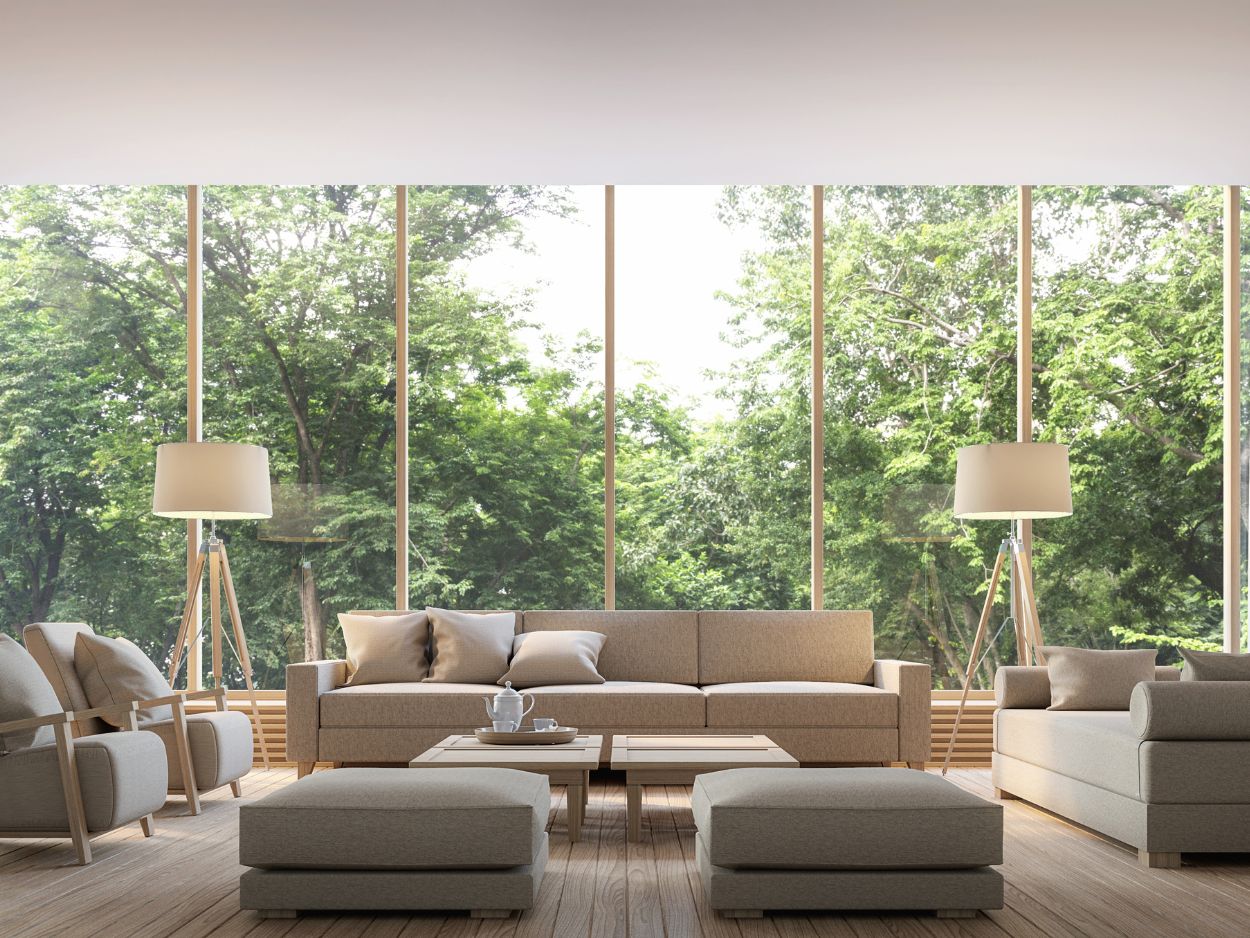

An increasing number of US homebuyers prefer sustainable homes. These homes offer natural beauty, cleaner living, and lower environmental impact. Spending more time in nature can improve mood, lower stress levels, and promote general health. The demand for eco-friendly options has surged as these features gain popularity.
The guide below will help you find the ideal retreat if you’re a nature lover. Also, it’ll help you to identify sites, check green certifications, and close the sale. We will ensure your ideal home is as good for the environment as it is for you.
Choosing the Perfect Location for a Nature-Inspired Home
Finding a place that brings you closer to nature is not only about the views. It’s about joining a community that shares your values and cares about sustainability. You will find stunning, eco-conscious areas, from the mountainous West to New England’s rocky shores. They promote a sense of belonging and connection.
Top Nature-Focused Regions in the US
Western Marvels: California and Oregon
California‘s redwood forests, breathtaking coastlines, and desert vistas are stunning. You can find everything from modern beach bungalows to remote mountain cabins near famous places like Big Sur and the Sierra Nevadas. They are often in neighborhoods that promote water and solar conservation.
Oregon offers volcanic peaks, a captivating coastline, and thick evergreen forests. Towns like Bend are great for weekend rafting or skiing, balancing nature and modern comforts. Many communities value responsible land use. What’s more? Property prices there can even be lower than in California.
Mountain Escapes: Colorado, Montana, and Wyoming
Colorado is home to the famous Rockies, which are teeming with hiking trails, ski areas, and wildlife. Mountain towns like Breckenridge offer a quality outdoor lifestyle. However, buyers find the real estate market can be competitive.
Montana‘s clear rivers, rolling ranchland, and laid-back lifestyle draw many visitors. Homegrown produce is widely available in local markets because eco-friendly farming and ranching methods are widespread.
Wyoming, with its stunning places like Yellowstone and the Grand Tetons, embodies the Wild West. Those seeking peace and off-grid living can find it in smaller, quieter towns.
Northeastern Charms: New Hampshire and Maine
New Hampshire‘s stunning White Mountains, immaculate lakes, and charming towns astonish visitors. Towns like Portsmouth and Hanover foster close-knit communities where environmental protection is a shared value.
Maine enchants visitors with its fresh seafood, historic lighthouses, and rocky coastlines. Buyers seek wooded paths and charming harbors near Acadia National Park. Many local spots support farmers and fishermen, promoting a farm-to-table culture.
Southern Wonders: North Carolina and East Tennessee
North Carolina‘s landscape varies, ranging from sandy beaches to Appalachian peaks. Green buildings and a vibrant farmers’ market scene are key features of hotspots like Asheville.
East Tennessee has easy access to the Smoky Mountains, quiet lakes, and rolling hills. Friendly neighbors often organize hiking groups or park cleanups, and real estate prices are lower than in the West.
Community & Lifestyle Considerations
Embrace Local Green Initiatives
Living in a neighborhood that promotes environmental stewardship can improve your everyday life.
Seek out conservation clubs or sustainability committees in your area. For example, the Anna Maria Island Sustainability Initiative in Florida offers workshops on energy-efficient home improvements and rainwater harvesting. These are great ways to meet like-minded neighbors and learn.
Assess Community Amenities
Living near nature is more than being beautiful. Look for maintained parks, hiking trails, or kayaking waterways. Community gardens and farmers’ markets are important because they promote a farm-to-table way of life and lessen carbon emissions.
Research Local Services
Enjoying a more peaceful location shouldn’t come at the expense of convenience. Ensure that public transportation, supermarkets, and medical facilities are all accessible. Whether your home is your main property or a weekend getaway, eco-friendly co-ops provide organic produce and reliable medical services. They can give you peace of mind you deserve.
Consider Community Culture
A supportive neighborhood can amplify your green goals. Look for campaigns for solar-friendly laws, volunteer opportunities, or cleanup days. Suppose the local government and homeowners are receptive to sustainable building practices. In that case, people who share your environmental concerns will surround you.
Be Prepared and Forward-Thinking for Future Growth
Even small cities change over time.
· Examine future projects that could affect traffic flow or protected open spaces.
· Consider how climate change may impact the area. This includes rising sea levels and more extreme weather events.
A community that balances progress and preservation keeps property values and living standards high.

Key Home Features for Nature Enthusiasts
A home for nature lovers is more than a trendy paint job or a few houseplants. It all comes down to designing a living area that blends with the surroundings while being comfy and practical.
When searching for or creating your ideal nature-focused home, consider the key design elements below:
Architectural & Design Elements That Embrace Nature
Biophilic Layouts
The main goals of biophilic design are to bring the outdoors in and maximize natural light.
· Skylights, glass doors, and large windows make it easy to bring in natural light. This reduces the need for artificial lighting during the day.
· New homes should have shared spaces, like the kitchen or family room, to catch the morning sun.
· You can extend your home’s connection to nature with a green roof, a vertical garden, or lush outdoor plants.
The features above will connect indoor and outdoor spaces.
Passive Design Techniques
A home that embraces nature should also be cozy and energy-efficient.
· Consider your house’s orientation.
· Invest in strong insulation.
· Use thick walls, premium materials, or specialized ones like adobe or straw bale.
· In warmer climates, windows can promote cross-ventilation.
· Shading features, like overhangs or well-placed deciduous trees, help keep interiors cool.
These small changes above improve comfort and reduce the need for energy-heavy heating or cooling systems.
Sustainable Material Choices
Using low-impact materials can enhance the eco-friendliness and beauty of your home. Furthermore, such materials will add natural warmth to your living areas.
A few quality materials to consider are stone, bamboo, and reclaimed wood sourced from local suppliers. Straw bale walls can insulate better in arid parts while starting from scratch. To keep the atmosphere grounded, use natural textures inside. Moreover, you can use polished stone floors, woven fiber accents, and hand-hewn beams.

Outdoor Living Spaces worth Exploring
Patios for All Seasons
Patios are perfect for morning coffee or evening gatherings. They offer a great way to connect with nature.
· Select natural materials from the area, such as brick or stone, to blend in with the landscape. This will add regional character and save money on transportation.
· Retractable awnings or pergolas provide shade and protection from the rain, allowing patio use all year round.
· A sunroom lets you enjoy outdoor views in cold weather. You will stay warm while still enjoying the views outside.
Decks with a View
· A raised deck can enhance wooded hills in the Carolinas or rolling plains in the Midwest.
· The wrap-around layout invites everyone to go outside and enjoy fresh air. It also makes accessing the outdoors easy from many rooms.
· You can also go for firm, weather-resistant materials.
· Choose pressure-treated wood or composite decking to withstand the weather.
· Built-in benches and planters provide year-round greenery, relaxation, and added style.
Sustainable Enhancements
· Installing a rain barrel close to your patio or deck to collect water for gardening is an additional environmentally friendly touch.
· Low-impact outdoor lighting, like LEDs and solar lanterns, saves energy. It also protects the night sky.
· Planting native plants near your outdoor spaces cuts down on maintenance. They attract helpful wildlife and boost local biodiversity.

Eco-Friendly Features That Make a Difference
Green Roofs & Living Walls
Living walls and green roofs turn a house into a miniature ecosystem. Vertical gardens serve as natural air filters and rooftop vegetation absorbs rainfall and helps control indoor temperatures. These choices improve the quality of the air and add beautiful greenery.
Renewable Energy Solutions
Many nature lovers choose solar panels. They provide clean power and lower bills. Depending on location, you might qualify for federal or state incentives to lower the solar installation cost. Another choice is geothermal systems. They use steady underground temperatures to keep a comfortable indoor temperature all year.
Water Conservation & Efficiency
Parts of the nation are experiencing drought, which emphasizes how crucial water-wise features are. You can reuse resources sustainably by installing greywater and rainwater systems. Energy Star appliances, dual-flush toilets, and low-flow fixtures make your home energy- and water-efficient. This design keeps you connected to nature while still enjoying modern comforts.
Climate & Environmental Factors to Consider
It’s more crucial than ever to consider climate and environmental factors when looking for your ideal home, especially if you love the outdoors. Proactive steps to protect your property can reduce future stress. This is important as extreme weather events increase and people are more aware of environmental issues.
Key factors to consider for a sustainable and climate-resilient home include:
Knowing Your Climate Risk
Not every location is at the same risk. The most significant concern in some regions of the nation is drought and wildfires. In contrast, in others, it may be hurricanes or flooding.
Start by looking up the climate risks in your area using resources like Zillow’s recently launched feature using First Street Foundation data or Redfin’s climate risk ratings. These easily navigable resources reduce complicated data to a snapshot score. A single figure can’t convey all the details. So, look more closely, especially if the property is near flood- or fire-prone areas.
Taking Advantage of Online Tools
Many niche websites provide more in-depth information than the leading real estate platforms.
The US Climate Resilience Toolkit provides ways to reduce risks, and ClimateCheck offers insights on heat, drought, and flood risks. The Environmental Justice Atlas identifies more serious issues. They may affect your choice if you care about pollution and industrial runoff. Using these tools, you can comprehensively understand the property’s vulnerabilities.
Factoring in Insurance & Financial Implications
Pay attention to how climate risks impact insurance coverage and financial costs.
Standard homeowner’s insurance often excludes flooding. So, if your ideal home is in a flood zone, you might need a supplemental policy. Additionally, some states have more stringent requirements for hurricane or wildfire insurance.
Verify that your potential property’s conditions are accurately depicted on updated FEMA flood maps (or other official data). This guarantees you’re protected where it counts and helps prevent sticker shock later.
Considering Conservation & Sustainability
Living in harmony with the environment can be a top priority for those who love the outdoors.
Consider local regulations if you’re considering a house in a protected or conservation area. These areas often have laws to protect biodiversity and unique landscapes. However, there may be prohibitions on tree removal and remodeling. Sustainable homes have many benefits, such as lower environmental impact, higher resale value, and lower long-term costs.
A few good examples will be energy-efficient insulation and renewable energy sources like solar panels.
Legal & Zoning Considerations
Understanding Property Regulations
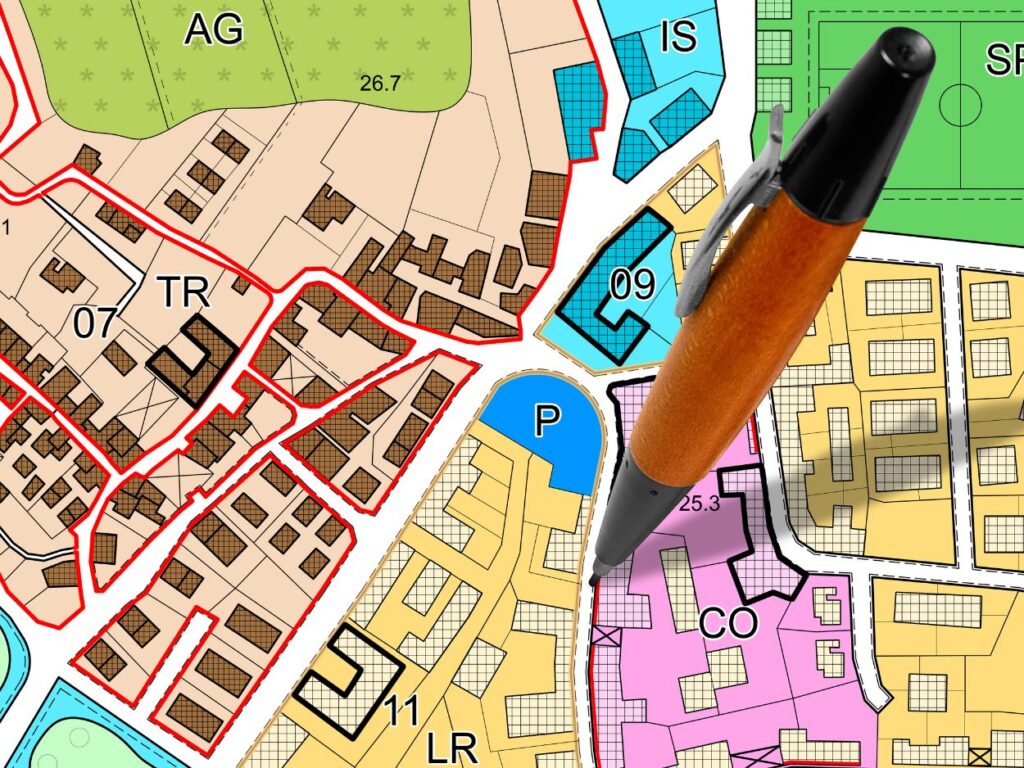
Sift through local zoning regulations before falling deeply in love with that cabin tucked away in the woods. These regulations dictate how we can use the land and what kinds of buildings we can construct.
In many rural or sensitive areas, extra conservation rules may exist. This applies especially to properties near wetlands or protected wildlife. Some areas ban removing trees or need permits to build a dock on a lakeshore. But you must know these regulations ahead of time.
Property Rights & Access
It’s essential to verify boundaries for mismatches between the fence line and trail. You can do that by reviewing surveys and finding shared driveway easements. Checking if you can change or add features is another good way to be sure.
Some states allow public access to waterways on privately owned land. So, learn about water access laws for properties near lakes or rivers. Knowing these specifics helps you avoid legal issues and protect the natural beauty. This will keep your dream home a tranquil haven for many years.
Navigating the Home Buying Process
1. Finding the Right Realtor
Choosing an eco-friendly agent is key for outdoor lovers who want a sustainable home. You’ll need someone who knows about environmental rules, green building methods, and the local market.
· Check if the property has conservation easements to preserve natural areas. But remember, such locations may limit development.
· Ask whether the property includes eco-friendly features like solar panels or rainwater systems.
· Also, check for any future local incentives for green upgrades.
A skilled real estate agent can help you with this. They can ensure your new home matches your values and lifestyle.
2. Evaluating Listings for Nature-Inspired Living
Start your search on trusted sites with eco-friendly property filters. Use Redfin, Zillow, or niche green real estate directories. After finding a listing, arrange a full energy-efficient home inspection. The inspection process should entail examining the windows, HVAC system, and insulation. Remember to assess the ecosystem around the property, including its effects on nearby wildlife and the availability of natural resources like mature tree cover or water sources.
3. Avoiding Greenwashing in Real Estate
Not all “eco-friendly” claims are valid. Be wary of ambiguous buzzwords that lack specific certifications, such as “natural” or “green.” Check labels (like LEED or ENERGY STAR). Ask for proof that the property’s sustainable features are genuine. Exercise a little diligence to avoid investing in false promises.
Conclusion
As a nature lover, finding your ideal home entails combining beautiful surroundings with sustainable, well-considered design decisions.
The US real estate market offers many avenues to enjoy nature. You can find peaceful forests in Oregon and sunny peaks in Colorado. It’s a destination for comfortable and responsible living. As you narrow your search, focus on eco-friendliness. Your must-haves should fit your budget for long-term sustainability. Also, ensure the community shares your values.
My professionally-vetted advice will make the market more manageable and satisfying. Contact me now at mitchell@bearcreekrealty.online. As a reputable realtor who will share your vision, I can help you with diverse listings and personalized guidance.